Quick Summary
This four-week youth group lesson on walking in the light helps students move from hiding to honesty with God, receiving Jesus' forgiveness, seeking trusted support, and serving others. Shadows connects Psalm 139:11-12, John 8:1-12, 1 John 1:5-9, and Matthew 5:14-16 around four truths: seen, free, clean, and shining. Includes a free, preachable Week 1 sample lesson.
This youth group lesson on walking in the light helps students tell God the truth, receive Jesus' grace, and invite trustworthy people into their struggles. Through the four-week Shadows series, you'll teach that being fully known by God isn't a reason to keep hiding—it's an invitation to come close. Start with the free Week 1 sample lesson, then build toward honest community and everyday opportunities to reflect Jesus.
Why Walking in the Light Matters for Today's Students
Your students know how to manage what people see. There's the main account, the private story, the group chat, and the answer they give when an adult asks how they're doing.
None of those things automatically means a student is hiding sin. But they create a familiar question: Which version of me is safe to show here?
At school, a screenshot can turn an embarrassing moment into public entertainment. At church, a student may worry that admitting a struggle will cost them a leadership role, disappoint their parents, or change how their small group sees them.
That pressure can make spiritual language another hiding place. A student can know the right answer about forgiveness and still wonder whether Jesus would want them if He knew the whole story.
This series lets you address that fear without demanding a public confession. You can show students that God already knows them, Jesus takes sin seriously without treating people as disposable, and trustworthy community makes room for honesty.
Be careful to distinguish sin from suffering. Anxiety, depression, abuse, and intrusive thoughts aren't evidence that a student has failed to walk in the light; our youth group lesson on mental health can help you continue that conversation responsibly.
Your goal isn't to get every secret into the room. It's to help students take a truthful, supported next step toward Jesus.
What Your Students Will Walk Away With
- Talk honestly with God: Name one specific sin, fear, or burden instead of hiding behind a general prayer.
- Receive grace and change direction: Recognize that Jesus' forgiveness invites repentance rather than earning forgiveness through better behavior.
- Ask for trustworthy support: Identify a safe person who can listen, pray, and help them take practical next steps.
- Reflect Jesus in ordinary life: Choose one concrete action that helps a friend encounter His kindness and truth.
Series Overview: Shadows
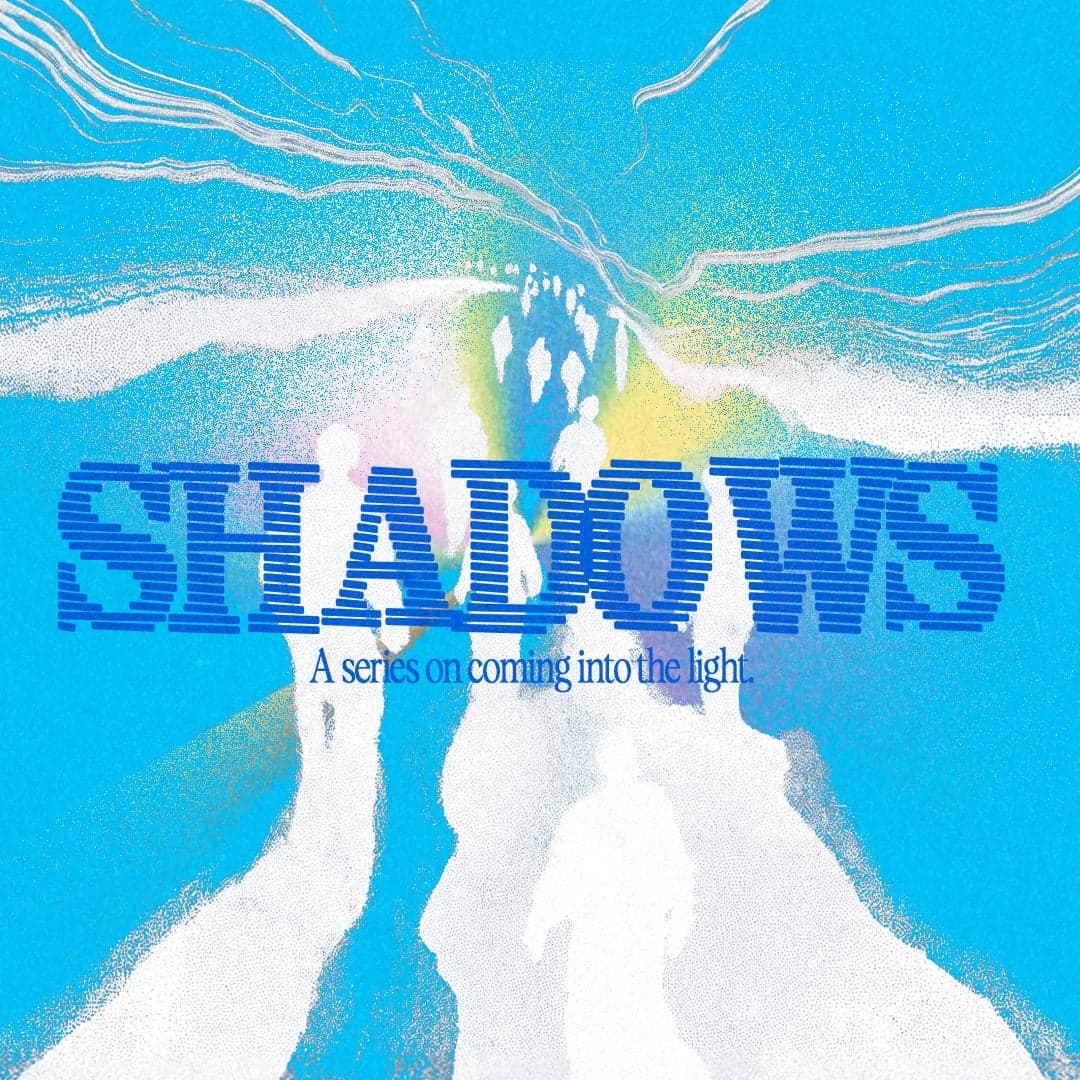
Shadows is a four-week topical series about stepping out of hiding and into the light of Jesus. It moves through four connected truths: In the light, you're seen. You're free. You're clean. You're shining.
The progression matters: students encounter God's knowledge and Jesus' grace before you ask them to practice honesty with others or share their faith. You can teach it any week of the year, without a holiday tie-in.
Use the teaching ideas below to plan your next month, or explore the full Shadows series for the complete messages and supporting resources.
Week 1: Hiding in the Shadows
Scripture: Psalm 139:11-12; Genesis 3:7-10; John 3:19-21. Begin with Psalm 139:11-12 because it establishes the truth underneath the entire series: darkness doesn't prevent God from seeing us.
Ask students where they hid when they were little. After a few answers, describe the child behind a curtain with both feet sticking out, completely convinced the hiding spot is working.
Then make the turn: our hiding places get more sophisticated, but hiding still leaves us alone. An automatic “I'm fine” can become a curtain just as easily as pretending we never make mistakes.
Move to Genesis 3 and slow down at God's question: “Where are you?” God isn't confused about Adam's location; the question brings the hiding into a conversation Adam needs to have.
Don't flatten the story into “sin has no consequences.” Genesis takes disobedience seriously, but it also shows God approaching people who have withdrawn from Him rather than waiting for them to make themselves presentable.
Bottom line: In the light, you're seen. Land it this way: “God doesn't discover something new when you confess; you stop trying to carry it without Him.”
Use John 3:19-21 to explain why we resist that invitation: exposure can feel threatening. Invite a private response, not a raised-hand confession: before bed, tell God one specific thing you've been keeping to yourself, then pray, “You already see it, and You're still here.”
Week 2: Coming into the Light
Scripture: Isaiah 9:2; John 8:1-12; John 8:36. Use John 8:1-12 to explore the difference between expecting humiliation and encountering Jesus' grace.
Bring a work light, but don't shine it into anyone's eyes. Aim it at an empty chair to suggest an interrogation, then turn it toward the floor to search for a misplaced set of keys.
Ask, “Which situation would make you want to step closer?” The contrast gives students a picture for their expectations of God: someone looking for a reason to reject them, or someone coming to find them.
Read Isaiah 9:2 before approaching the woman in John 8. The light comes to people in darkness, not to people who have already figured out how to escape it.
In the woman's story, emphasize both parts of Jesus' response: He doesn't condemn her, and He calls her to leave her sin. Grace isn't permission to remain unchanged; it's the welcome that makes a different direction possible.
Bottom line: In the light, you're free. Explain through John 8:36 that Jesus frees us from slavery to sin, not from responsibility for our actions or the need to repair harm.
Invite students to write a recurring accusation privately and place Jesus' words, “Neither do I condemn you,” beside it. Help them distinguish a shame-filled identity statement from a specific wrong they need to confess and address.
Leader note: Many Bibles flag manuscript differences around John 7:53–8:11. Acknowledge the footnote if students ask, and reinforce the teaching through Isaiah 9:2 and John 8:12, 36.
Week 3: Walking in the Light
Scripture: Proverbs 28:13; 1 John 1:5-9; James 5:16. Anchor the message in 1 John 1:5-9, where fellowship, confession, and cleansing belong together.
Open with the ten-minute room cleanup: everything goes into the closet, and suddenly the room looks spotless. Ask, “Did you clean the mess, or did you move it somewhere nobody could see?”
Let that question sit before opening Proverbs 28:13. The verse pairs confession with turning from sin, so honesty is more than admitting a fact while planning to keep everything the same.
Read 1 John 1:8 alongside verse 7 so students don't confuse walking in the light with achieving perfection. John challenges both a double life and the claim that we have no sin.
Bottom line: In the light, you're clean. Make the source of cleansing unmistakable: Jesus cleanses us; disclosure doesn't earn His forgiveness, and another person doesn't replace Him.
James 5:16 gives students a practical picture of mutual confession and prayer. Avoid promising that one conversation will instantly remove every struggle; trusted support can include ongoing accountability, pastoral care, and professional help.
Ask students to identify one safe, trustworthy person—not announce a secret to the room. If you want to build on this message, our lesson on sanctification helps connect God's grace with ongoing growth.
Give them a sentence they can actually use: “There's something I need help being honest about; can we talk and pray?” Offer a clear way to arrange that conversation after group.
Week 4: Shining the Light
Scripture: Ephesians 5:8-9; Matthew 5:14-16; Philippians 2:14-15. Read Matthew 5:14-16 as an invitation to visible goodness that directs attention toward the Father.
Bring a glow-in-the-dark star or bracelet and test it before students arrive. Show it before charging it, hold it under a bright light, then dim the room enough for everyone to see the difference.
The object gives off light it has absorbed, which makes a memorable picture of reflecting Jesus. Clarify that this is an illustration of dependence, not a claim that students lose their identity in Christ whenever they have a difficult week.
Start with Ephesians 5:8-9: Paul connects who believers are in the Lord with how they live. Students aren't performing good deeds to become valuable; they're learning to live out what Jesus has given them.
Bottom line: In the light, you're shining. When Jesus describes a lamp under a basket, ask what makes students hide their faith without suggesting that everyone needs a microphone or a public platform.
Philippians 2:14-15 makes the application surprisingly ordinary: less complaining and arguing, more integrity. In a group chat, that might mean refusing to join a pile-on or following up privately with the person everyone ignored.
Have students choose one friend and one action: extend an invitation, offer help, or share an honest piece of their story. If you close with glow sticks, make participation optional and keep pathways lit; a visible response isn't a measurement of anyone's faith.
Discussion Questions to Get Your Students Talking
Use two or three questions per gathering rather than rushing through all eight. Start with an easy entry point, allow silence, and remind students that passing is always an option.
- When you were little, where was your best hiding spot? Did it ever actually work?
- Psalm 139 says God sees us even in the darkness. Does being fully known by God sound comforting, uncomfortable, or a little of both? Why?
- Read Genesis 3:9. Why do you think God asks “Where are you?” when He already knows the answer? What does that tell you about Him?
- Read John 8:10-11. Jesus offers the woman grace and calls her to leave her sin behind. How do you think receiving grace could help someone make a change?
- Read Proverbs 28:13. What makes covering up a mistake feel easier than admitting it? What does this verse promise to people who confess and turn from their sin?
- Read 1 John 1:7-9. What's the difference between pretending to be perfect and walking honestly with God? How does His promise to forgive help us be honest?
- Who is one trusted person you could talk to honestly and ask to pray with you this week? When could you have that conversation?
- Read Matthew 5:16. What's the difference between doing something good to get noticed and doing it to help people see what God is like?
How to Teach This Series
Build a 40-minute gathering that leaves room for response
- Minutes 0–3: Play the bumper video, welcome students, and introduce the night's question.
- Minutes 3–8: Use the opening illustration and read the primary passage aloud.
- Minutes 8–23: Teach the message with one clear bottom line and one concrete application.
- Minutes 23–35: Break into small groups for two or three discussion questions.
- Minutes 35–40: Allow private reflection, identify a next step, and pray.
For a 30-minute block, shorten the teaching to ten minutes and discussion to eight. For 45 minutes, add five minutes of Scripture observation rather than another illustration.
Make the room support the message
Use a single lamp, a light-and-shadow background, and the title slide to establish the theme without a complicated stage build. Keep enough light for reading, accessibility, and safe movement; never shine a bright light into a student's face.
The bumper video works best as a transition into focused attention. After it ends, pause briefly and ask your opening question instead of immediately filling the silence with announcements.
Give quiet students a real way to participate
Let students write a response before anyone speaks, and offer questions about the passage before asking for personal application. Say, “You can talk about what the text means without telling us something private.”
Don't collect written confessions as an activity. Students can keep their own notes, and leaders can offer a separate conversation when someone wants help.
Adapt for five students or fifty
With five students, sit in a circle and alternate short teaching sections with discussion. With fifty, teach together, then move into groups of six to eight with prepared, appropriately screened leaders.
Brief every leader on the week's bottom line, likely questions, and your safeguarding process. Ask them to model appropriate honesty without oversharing or making students responsible for an adult's emotions.
Prepare for sensitive disclosures before Week 1
Never promise absolute confidentiality. Explain that leaders protect students' privacy but must involve appropriate help when abuse, self-harm, or another safety concern is disclosed, following safeguarding procedures and applicable reporting laws.
Make this distinction explicit: being harmed by someone else is not a sin the student needs to confess. Listen calmly, avoid investigating in the group, and help the student connect with safe adults and qualified care.
What's Included When You Get the Full Series
You don't need another idea that creates six more hours of preparation. The full Shadows series brings the teaching and supporting resources together so you can focus on your students this Wednesday.
- Editable sermon outlines: PDF downloads and outlines you can adapt in the Sermon Builder, with DOCX export and copy-to-Google-Docs options.
- Series graphics: JPG and PSD files to carry the visual theme across your ministry.
- Title slides: Ready-to-use visuals for your gatherings.
- Bumper video: A consistent transition into each week's teaching.
- Small group discussion questions: Prompts that connect the message with honest conversation.
- Social media graphics: Resources to introduce the series and reinforce its themes.
You can see everything in the Shadows series and decide how it fits your next four weeks.
Youth Pastor Co members also get access to all 200+ series, giving you options for what your students need next.
Frequently Asked Questions
How long is this youth group series on walking in the light?
Shadows includes four weekly lessons that move from being seen by God to receiving grace, practicing honesty, and reflecting Jesus. Plan a 30–45 minute teaching-and-discussion block each week; the series works any time of year.
Can I teach these lessons to both middle and high school students?
You can adapt the lessons for either middle or high school students. Use concrete school and friendship examples with younger students, and give older students more time to discuss confession, integrity, and trustworthy support without requiring personal disclosures.
What Bible passages teach students about walking in the light?
The series uses Psalm 139:11-12 and Genesis 3:7-10 for being known by God, Isaiah 9:2 and John 8 for Jesus' light and freedom, and Proverbs 28:13, 1 John 1:5-9, and James 5:16 for honest living. Ephesians 5:8-9, Matthew 5:14-16, and Philippians 2:14-15 show how believers reflect that light to others.
Can I customize Shadows for a small youth group?
Yes—the full series includes PDF downloads and outlines you can edit in the Sermon Builder, with DOCX export and copy-to-Google-Docs options. For a small group, teach around a table, pause for discussion after each main point, and use a household lamp instead of stage lighting.
How do I teach confession without pressuring students to share secrets?
Invite private prayer and optional conversations with safe, trusted adults rather than public confessions. Let students pass on discussion questions, explain confidentiality limits, and follow safeguarding procedures if a student discloses harm or danger.
Is there a free walking-in-the-light lesson I can preach?
Yes—this post includes an abridged, preachable Week 1 lesson with an opening hook, Scripture readings, teaching points, discussion questions, and a specific challenge. Use it as a standalone message or as your introduction to the four-week series.
Planning beyond this series? You can also browse more youth group lessons for your next teaching block.
Week 1: Hiding in the Shadows
Psalm 139:11-12; Genesis 3:7-10; John 3:19-21
Here's an abridged lesson you can preach this Wednesday night. Copy it, customize it, make it yours. If you like what you see, the full 4-week series has everything you need.
Opening Hook
When you were four, where was your best hiding spot: behind the curtains, under the bed, or somewhere you were absolutely convinced no adult could find you? Take a few answers, then picture a kid behind a curtain with both feet sticking out. We laugh because we can see them, but most of us still have hiding spots—we've just gotten better at choosing them.
Scripture Reading
Read Psalm 139:11-12 together, followed by Genesis 3:7-10 and John 3:19-21 as you move through the teaching.
Teaching Points
1. Your hiding place isn't hidden from God. Psalm 139 says even darkness isn't dark to Him, which means the thing you think makes you impossible to love isn't information God is waiting to discover. You might hide behind a joke, a carefully chosen answer, or another “I'm fine,” but none of those things keeps Him from knowing you. And David puts this truth in a prayer—not a warning that God is about to stop caring.
2. Shame makes us run from the One we need. In Genesis 3, Adam and Eve disobey God, cover themselves, and hide; before they leave the garden, they're already pulling away from Him. When God asks, “Where are you?” He isn't asking Adam for directions—He's calling him into a conversation. Sin has real consequences, but hiding doesn't repair what happened or bring Adam closer to the God he needs.
3. Being seen can be the beginning of coming home. Think about those feet sticking out beneath the curtain: staying there doesn't make you invisible, and staying behind your own curtain won't make you less known. In the light, you're seen. Because Jesus died for our sins and rose again, we can turn to Him for forgiveness instead of treating distance from God as our only option.
4. Coming into the light starts with telling the truth. John 3 says people avoid the light because they don't want their deeds exposed, and we recognize that feeling whenever we defend something we know is wrong. Honesty doesn't earn salvation—Jesus saves us—but trusting Him means we can stop pretending we don't need His help. You don't have to tell this room your private story; start by telling God what He already knows.
Discussion Questions
- When you were little, where was your best hiding spot? Did it ever actually work?
- Psalm 139 says God sees us even in the darkness. Does being fully known by God sound comforting, uncomfortable, or a little of both? Why?
- Read Genesis 3:9. Why do you think God asks “Where are you?” when He already knows the answer? What does that tell you about Him?
- Tonight, take a moment to tell God something you've been keeping to yourself. Would you rather say it out loud or write it down? What could help you follow through?
Challenge
Before you go to sleep tonight, tell God one specific thing you've been hiding, out loud or on paper, then pray: “You already see it, and You're still here.” If it's sin, ask His forgiveness and help to turn from it; if it's hurt someone caused you, remember that being harmed isn't your fault. If you're unsafe, tell a safe adult today—you don't have to carry that alone.
What's inside
Get the full Shadows series
- Editable sermon outlines — PDF, DOCX, and Google Docs for every week
- Professional graphics — Series art, title slides, and social media assets
- Bumper video — Ready to play to kick off the series
- Small group questions — Discussion starters for every week
Or with the Young Saints series